





![Protective Rose joint Rubber boots [2 Pack]](https://compbrake.com/wp-content/uploads/2025/10/rubber-boot-300x304.png)
![Protective Rose joint Rubber boots [2 Pack]](https://compbrake.com/wp-content/uploads/2025/10/rubber-bottt-300x287.png)


![Ford Escort RS Turbo Series 1 Front ARB – Heavy Duty Rod End [Rose Joint] 1 x Pair](https://compbrake.com/wp-content/uploads/2022/01/CMB5830-ROSE-JOINT-FRONT-ARB-ESCORT-RS-TUBO-SERIES1-SKEW-PAIR-300x300.jpg)
![Ford Escort RS Turbo Series 1 Front ARB – Heavy Duty Rod End [Rose Joint] 1 x Pair](https://compbrake.com/wp-content/uploads/2022/01/CMB5830-ROSE-JOINT-FRONT-ARB-ESCORT-RS-TUBO-SERIES1-SKEW-01-300x300.jpg)
![Protective Dust Shields [4 Pack]](https://compbrake.com/wp-content/uploads/2022/01/CMB0276-PROTECTIVE-DUST-SHIELDS-4-PACK-PLUS-ROD-END-300x300.jpg)
![Protective Dust Shields [4 Pack]](https://compbrake.com/wp-content/uploads/2022/01/CMB0276-PROTECTIVE-DUST-SHIELDS-4-PACK-PLAN-300x300.jpg)
![5/8 X 5/8 Right Hand [High Load] – Heavy Duty Rod End [Rose Joint]](https://compbrake.com/wp-content/uploads/2022/01/ROSE-JOINT-GENERIC-300x300.jpg)
![5/8 X 5/8 Right Hand [High Load] – Heavy Duty Rod End [Rose Joint]](https://compbrake.com/wp-content/uploads/2022/01/ROSE-JOINTS-VARIOUS-300x300.jpg)


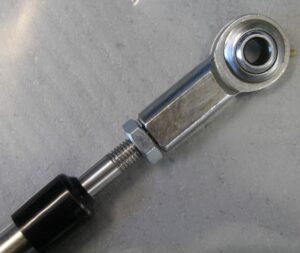


Our range of rose joints and rod ends is built for motorsport, performance and custom fabrication applications where strength, precision and adjustment matter.
Whether you’re working on a suspension linkage, steering setup or bespoke chassis project, you’ll find a wide selection of components designed to suit a variety of applications.
Rose joints are a type of rod end bearing, which means the terms are often used interchangeably. They use a spherical bearing arrangement that allows controlled movement while maintaining accurate alignment, making them a popular choice across motorsport suspension and steering systems.
Choosing The Right Rod End Bearing
Thread Types & Sizes
Selecting the correct component starts with the specification required for the build. Our range includes metric rod ends and imperial options, with both left and right hand thread configurations available across a variety of sizes.
Motorsport Applications
From steering rod ends and suspension linkage applications to handbrake and chassis fabrication projects, choosing the correct thread type, size and material is essential. The range includes heavy duty options as well as supporting hardware, helping builders source the parts they need from a single supplier.
For projects requiring additional steering adjustment, our adjustable track rod ends provide another solution for fine tuning suspension and steering geometry.
Built For Suspension & Steering Applications
Motorsport suspension places significant demands on every component within the system. Accurate movement and repeatable geometry become increasingly important as grip levels, cornering loads and braking forces increase.
At Compbrake, our motorsport rod end bearings are used across race cars, track day builds, kit cars and custom projects where precision is a priority. Many builders also combine rose joints with performance top mounts when developing a wider suspension package.
Find The Right Components For Your Project
Whether you’re sourcing a single replacement part or building a complete suspension or steering system, our range of rose joints and rod ends covers a wide variety of motorsport and performance applications.
Browse the products above to find the specification you need, or explore our adjustable track rod ends and top mounts to support a complete suspension setup.
To speak to our team, you can call us on 01744 895888, email us at [email protected], or fill in our online contact form.